

What Happens if Your Engagement Ring Isn’t Perfect? A Clear Engagement Ring Return Policy Explained
When an engagement ring arrives and it isn’t exactly what you expected, the uncertainty can feel personal and urgent; this guide explains practical options—returns, exchanges, resizing, warranty claims—and what to check first so you can act with confidence. You will learn how return windows and item-condition rules typically work, step-by-step methods to initiate a return or exchange, how warranty and insurance differ, resizing options, legal and ethical considerations, and lab-grown diamond specifics. The purpose is to make the process clear so you can decide quickly whether to request a refund, swap for a different design, pursue complimentary resizing, or file a warranty claim. Throughout this article we reference relevant terms like unworn engagement ring return requirements, engagement ring exchange policy, and lab grown diamond return process to help you search and compare policies when shopping. By the end you’ll have checklists, comparison tables, and procedural steps that reduce friction and protect your purchase decision.
What Is Behrs.shop’s Engagement Ring Return Policy?
Behrs.shop’s engagement ring return policy centers on a defined return window measured from delivery and requires that returned rings meet specified item-condition standards in order to receive a refund. The policy links a timeframe to condition checks—typically the ring must be unworn, undamaged, and accompanied by any original paperwork and packaging—and Behrs.shop inspects returns before issuing refunds or other resolutions. Understanding these core elements helps you prepare evidence and communicate efficiently with support so returns process smoothly. Below we summarize key policy attributes in a compact table and then explain how to start a return and what Behrs.shop expects during inspection.
This table summarizes the typical policy attributes customers should review before initiating a return.
| Policy Element | Requirement | Typical Outcome |
|---|---|---|
| Return timeframe | Must return within the site-stated window from delivery | Refund or exchange if approved |
| Item condition | Unworn, no alterations, original box and certificate | Inspection required before refund |
| Fees & shipping | Customer may be responsible for return shipping unless otherwise noted | Possible deduction from refund |
| Documentation | Proof of purchase and any grading reports required | Expedites authorization and processing |
The table above highlights what to confirm before packaging a ring for return and what documentation will speed review. If the ring meets the condition and documentation requirements, inspection typically completes within a stated processing time and the seller issues a refund per the original payment method; if documentation or condition is missing, options like exchange or store credit may apply. For shoppers who want reassurance about buying and returning items, remember that Behrs.shop has site-level support to facilitate direct product sales to customers and provide an easy online shopping experience.
What Conditions Must Be Met to Return an Engagement Ring?
Returning an engagement ring requires that the item be in original, resalable condition with no signs of wear, alteration, or damage, and that all original paperwork and packaging accompany the ring. Customers should keep the grading report or certificate, sales receipt, and any serial or SKU information intact because these documents are often required for authorization and inspection. To help decide whether a ring qualifies, use the short checklist below which clarifies common exclusions and borderline cases. Photographs taken immediately upon receipt are valuable evidence if a return is needed.
- Unworn Condition: The ring must show no evidence of being worn; visible scratches or sizing changes can disqualify a return.
- Original Packaging: Include the original box, pouch, and any branded materials that arrived with the ring.
- Documentation: Provide the receipt and any certificate or grading report that came with the ring.
- No Alterations: Do not engrave, solder, or resize the ring before authorization.
These points form a practical, inspectable definition of “original saleable condition” and help avoid confusion during the review; if you’re unsure about a borderline issue, contact support with photos before shipping. Keeping items and paperwork intact preserves your eligibility and shortens processing timelines.
How Do You Initiate a Return for Your Engagement Ring?
To initiate a return, contact Behrs.shop support following the site’s return instructions and provide order details, photos showing the ring’s condition, and any grading documentation to request authorization. Once you submit the required materials, the seller typically issues a return authorization with instructions on packaging, insured shipping, and expected timelines for inspection and refund. Pack the ring securely in its original box, include copies of all documents, and buy insurance for the return shipment to protect the item in transit. After inspection, the outcome—refund, exchange, or store credit—is issued according to the policy and payment method used.
- Contact Support: Provide order number, photos, and certificate information.
- Receive Authorization: Wait for return approval and packaging instructions.
- Ship Securely: Use insured shipping with tracking and keep proof of shipment.
- Await Inspection: Be prepared to answer follow-up questions to speed resolution.
Following these steps reduces misunderstandings and speeds processing; clear photos and complete documentation are the fastest way to move from authorization to refund or exchange.
Can You Exchange or Get Store Credit for an Engagement Ring?
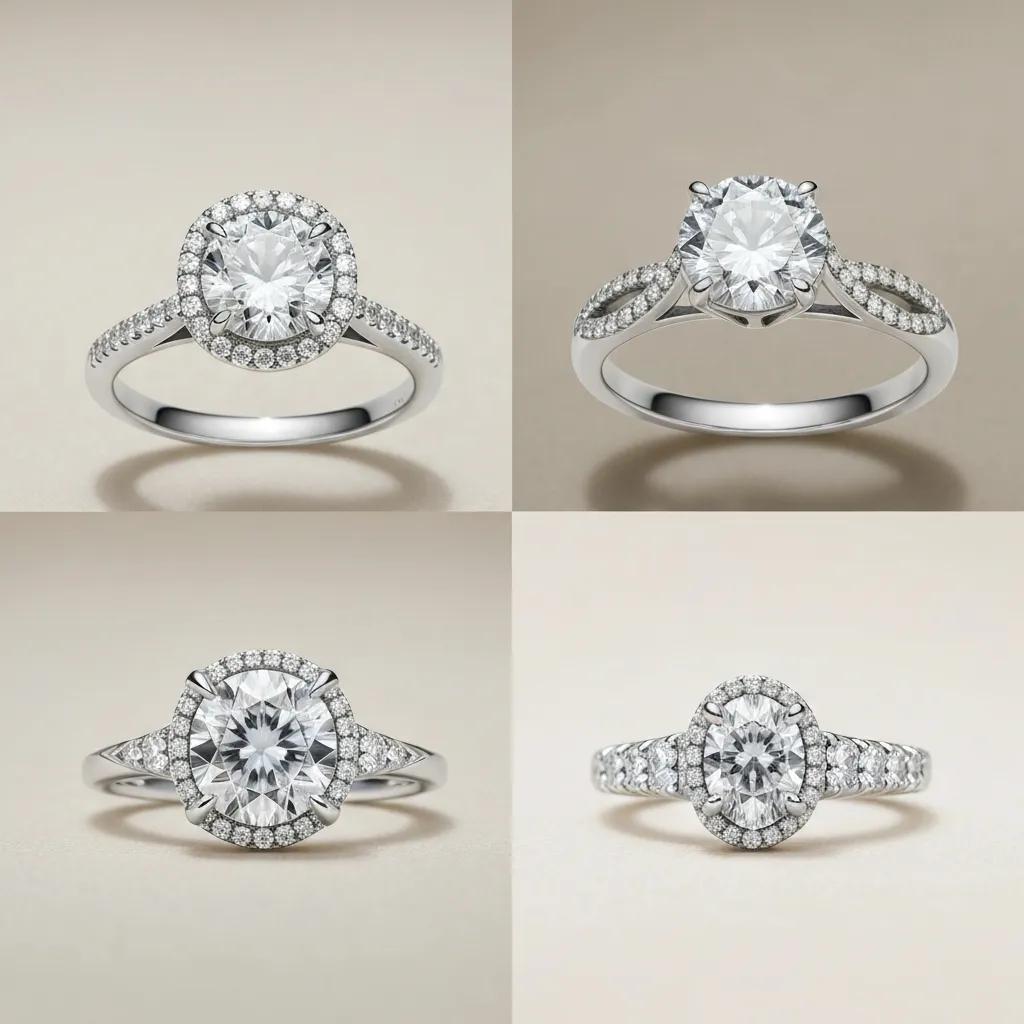
Yes. Many retailers, including Behrs.shop as described in policy links, provide exchange or store credit options when a full refund is not appropriate or when a customer prefers a different ring or size. Exchanges are commonly allowed when items are unworn and fall within the allowed timeframe; store credit is often issued when the condition is acceptable but the customer prefers credit rather than refund. Understanding eligibility, processing times, and how credit interacts with promotions and financing helps you choose the least disruptive path. Be aware that financing options like Shop Pay Installments with Affirm may factor into final balances and how credits are applied at checkout.
Below is a compact comparison table to make the differences clear.
| Option | Eligibility | Processing Time | Limitations |
|---|---|---|---|
| Exchange | Unworn, within return window, matching availability | Inspection + fulfillment time | Custom rings may be ineligible |
| Store Credit | Acceptable condition but no refund requested | Issued after inspection | May have expiry or usage rules |
| Refund | Unworn and fully documented | Inspection + refund processing | Original payment method considerations |
This comparison clarifies that exchanges require available inventory and may take longer than store credit issuance, while store credit provides a fast way to preserve purchase value for another item. To facilitate direct product sales to customers and provide an easy online shopping experience, Behrs.shop integrates return, exchange, and credit workflows with checkout and financing options such as Shop Pay Installments with Affirm, helping customers complete a replacement purchase or apply credit toward a new ring.
What Are the Eligibility Criteria for Engagement Ring Exchanges?
Exchanges are generally allowed for unworn rings in original condition and typically exclude heavily customized or engraved pieces unless specified otherwise. Customers should confirm availability of the replacement item before initiating an exchange because stock and custom lead times can affect eligibility and timing. Processing typically involves return authorization, inspection of the original ring, and placement of the new order; any price difference may be charged or refunded depending on the case. For custom orders, the exchange rules are usually stricter, and restocking or handling fees may apply in limited situations.
- Eligible Items: New, unworn, non-altered rings with paperwork.
- Custom Work: Custom or engraved rings often cannot be exchanged.
- Price Differences: Additional payment or partial refund applied as needed.
- Timing: Exchanges depend on stock; plan for fulfillment lead time.
Knowing these criteria before you buy or request an exchange helps avoid surprises and sets expectations for how quickly you can receive the replacement ring.
How Does Store Credit Work for Engagement Ring Returns?
Store credit is issued after inspection when a customer opts for credit instead of a refund or when policy terms limit refunds; credit is typically calculated from the inspected value of the returned item. It is important to confirm any expiry, redemption restrictions, and whether credit can be combined with promotions or financing options at checkout. Store credit often appears as a digital balance tied to your account and can be applied toward a new purchase—when used with financing tools like Shop Pay Installments with Affirm, you may need to combine payment methods at checkout. Always confirm how price adjustments, taxes, and promotions interact with credit before finalizing a new purchase.
- Issuance: Credit is issued after the returned ring passes inspection.
- Redemption: Apply the credit at checkout on future purchases.
- Restrictions: Verify expiry dates and whether credit can combine with sales or promos.
- Financing Interaction: Coordinate credit use with installment financing during checkout.
Store credit is a flexible option for customers who want to stay within the same retailer while choosing a different product or size without waiting for a refund to process.
What Does Behrs.shop’s Engagement Ring Warranty Cover?
A warranty from a jeweler typically covers manufacturing defects and workmanship issues, and may include specified maintenance services such as prong tightening or polishing for a defined duration; insurance covers accidental loss and theft and is a separate product. Warranty coverage usually focuses on defects that arise from the production process, like setting failures or loose stones, and excludes damage from accidental impact, misuse, or unauthorized repairs. Knowing the warranty scope and exclusions helps you decide whether to pursue a warranty claim or to buy separate insurance for comprehensive protection. The table below outlines common warranty attributes so you can compare services and understand what to expect when filing a claim.
| Coverage Area | Warranty Scope | Typical Exclusions |
|---|---|---|
| Manufacturing Defects | Loose stones, setting failures | Wear-and-tear, accidental damage |
| Maintenance Services | Cleaning, inspection, minor prong tightening | Major repairs or remakes |
| Warranty Duration | Specified limited period or service windows | Lifetime claims often limited |
| Claim Requirements | Proof of purchase and item inspection | Unauthorized modifications void coverage |
This EAV-style table shows the relationship between warranty scope and exclusions and helps customers know what documentation and condition will be necessary when submitting a claim. When a manufacturing defect is identified and covered, warranty repairs or replacements are typically processed after inspection and may require the original paperwork to confirm eligibility.
Which Manufacturing Defects and Maintenance Services Are Included?
Warranty coverage commonly addresses workmanship defects such as loose settings, poor soldering, and stones that fall out due to manufacturing errors, and it may include routine services like cleaning and inspections within a defined service window. If a ring presents a defect that stems from manufacturing rather than accidental damage, the warranty process generally involves submitting proof of purchase and allowing the jeweler to inspect the piece before initiating repairs. Repairs covered under warranty are often completed by qualified technicians and may take a few weeks depending on the work required and parts availability. Keep in mind that routine maintenance is valuable for preserving the ring’s condition and can prevent issues that would otherwise be excluded.
- Covered Repairs: Setting failures, manufacturing looseness, workmanship flaws.
- Included Services: Cleaning, inspections, and minor prong tightening as specified.
- Documentation: Receipt and original paperwork speed warranty approval.
- Turnaround: Repair time depends on complexity and parts availability.
How Does Warranty Differ from Insurance for Engagement Rings?
A warranty is seller-provided coverage that addresses manufacturing defects and specified maintenance services, while insurance is a third-party product that protects against loss, theft, and accidental damage; the two serve different risk profiles. Warranties rarely cover loss or theft and typically exclude damage from misuse, so insurance is recommended if you want broader protection for events outside workmanship defects. Filing a warranty claim generally requires returning the item for inspection, whereas insurance claims require a police report, appraisal, and policy documentation. For comprehensive protection, many buyers keep both a warranty for manufacturing issues and an insurance policy for loss or theft.
- Warranty: Covers manufacturing defects and specified maintenance.
- Insurance: Covers loss, theft, and accidental damage; purchased separately.
- Claims: Warranty requires inspection; insurance requires proof and policy terms.
- Recommendation: Use warranty for defects and insurance for broader risk protection.
Understanding the difference prevents confusion during a claim and ensures you pursue the correct pathway for repair or compensation.
How Does Engagement Ring Resizing Work at Behrs.shop?
Resizing policies usually offer complimentary resizing within a defined window for eligible rings, and technical limits exist for certain designs that make resizing impractical or risky. The resizing process involves returning the ring for professional adjustment where a jeweler increases or decreases the band size within technical limits, then polishing and finishing to restore appearance. Full eternity bands, heavily stone-set shanks, and certain inlay or filigree designs are common examples of rings that cannot be safely resized without compromising integrity. Knowing the complimentary resizing window, limits, and alternative options helps you choose the best path when a ring doesn’t fit perfectly.
| Resizing Attribute | Typical Policy | Notes |
|---|---|---|
| Complimentary Window | Specified period after purchase | Proof of purchase required |
| Size Limits | Often limited to a few sizes up or down | Larger changes may require remaking |
| Non-resizable Designs | Eternity bands, certain settings | Exchange or remake suggested |
Knowing these attributes ahead of time helps you decide whether to request a resize, exchange for another size, or pursue a custom remake when the design prevents adjustment.
What Is Behrs.shop’s Complimentary Resizing Policy?
Complimentary resizing is generally offered for eligible rings within a defined post-purchase period and typically covers small adjustments to improve fit; proof of purchase is required to confirm eligibility. To request resizing, customers generally submit a request to support with order details, then send the ring to the jeweler for professional sizing and finishing; the process includes inspection to verify the ring is in appropriate condition for alteration. There are practical limits—resizing up or down beyond structural tolerances may not be possible without remaking the ring entirely. If complimentary resizing is available, the jeweler handles adjustments and returns the ring finished and polished.
- How to Request: Contact support with purchase details and requested size change.
- Limits: Small size changes are standard; major changes may be denied.
- Proof Required: Receipt and order information must accompany the request.
- Turnaround: Professional resizing includes finishing and takes time for quality work.
These steps ensure resizing is done safely and preserves the ring’s structural integrity and appearance.
Which Rings Cannot Be Resized and Why?
Certain ring constructions—such as full eternity bands with stones around the entire shank, intricate inlay work, or settings that integrate stones into the band—cannot be resized without breaking the design or damaging stones. Resizing these designs would disrupt stone placement, compromise structural integrity, or create aesthetic inconsistencies, so jewelers advise alternatives like exchanges, remakes, or the use of sizing beads or guards. For rings with delicate filigree or modern channel settings, resizing can risk loosening stones; in such cases, the safest path is a replacement or bespoke adjustment engineered for the design. Discussing design constraints with a jeweler before purchase reduces the chance of needing an impossible resize.
- Non-resizable Types: Full eternity, complex inlay, continuous-stone channels.
- Alternatives: Exchange for correct size, custom remake, or temporary sizing solutions.
- Risk: Resizing may loosen stones or damage settings.
- Recommendation: Seek jeweler guidance on alternatives if resizing isn’t feasible.
Understanding why a ring cannot be resized helps set expectations and highlights practical alternatives that preserve value and appearance.
What Are the Legal and Ethical Considerations for Returning Engagement Rings?
Returning engagement rings raises legal and ethical questions around conditional gifts, ownership, and fair handling of returns; these issues vary by jurisdiction and often involve nuanced outcomes. Legally, many courts analyze whether an engagement ring was a conditional gift—given on the condition of marriage—and will decide return rights based on state law or fault-based approaches. Ethically, transparency about sourcing and lab-grown versus mined origins also matters to some buyers, and sellers may disclose sourcing practices to support responsible returns and resale. This section provides general information rather than legal advice and recommends consulting local authorities for jurisdiction-specific rules.
- Conditional Gift Doctrine: Some jurisdictions treat an engagement ring as conditional on marriage, affecting return rights.
- Fault vs Ownership Rules: State laws differ—some look to who broke the engagement; others apply ownership principles.
- Documentation Importance: Proof of purchase and communications can influence dispute outcomes.
- Ethical Sourcing: Buyers concerned about ethical sourcing may weigh lab-grown options or return policies aligned with responsible practices.
These considerations help buyers understand that returns can involve more than policy mechanics; if a dispute emerges, seeking legal counsel or local consumer resources is the appropriate next step.
How Are Engagement Rings Treated as Conditional Gifts in Returns?
The conditional gift concept means an engagement ring may be legally regarded as a gift given on the condition of marriage; if the marriage condition fails, some courts require the ring be returned to the giver. Courts vary in application: a few emphasize the condition itself, some weigh fault or reasons for the break, and others focus on equitable outcomes between parties. This article provides a general overview, not legal advice, so readers with disputes should seek guidance from local legal resources or consumer protection agencies. For transactional purchases from a retailer, the seller’s return policy still governs how to process returns separate from private disputes between individuals.
- Definition: A conditional gift depends on a future event (marriage).
- Court Approaches: Condition-based, fault-based, or equitable remedies depending on jurisdiction.
- Retail vs Private Disputes: Retail returns follow seller policy; private ownership disputes may involve courts.
- Advice: Consult legal counsel for complex or contested cases.
Understanding the doctrine clarifies why some situations involving personal disputes differ from straightforward retailer returns.
What Are the General State Laws Regarding Broken Engagements?
State-level rules about broken engagements vary widely, with some states applying conditional gift principles strictly, others considering fault, and still others treating disputes under broader civil law frameworks; there is no single national rule. Readers should consult state consumer resources or legal databases to learn how their jurisdiction tends to handle ownership disputes, and consider mediation or legal counsel if a high-value item is contested. For purchases from an online retailer, the seller’s return policy usually governs refund or exchange eligibility regardless of private disputes, though legal actions between individuals may still proceed. This high-level overview aims to raise awareness rather than substitute for state-specific legal advice.
- Variation: Expect different outcomes depending on state law and court precedents.
- Resources: State consumer protection sites and legal aid groups provide jurisdictional guidance.
- Practical Step: Keep documentation and communication records to support your position.
- When to Seek Help: Large-value disputes or contested ownership cases warrant legal consultation.
Being proactive with documentation and understanding your state’s approach can reduce surprises if a dispute arises.
What If Your Lab-Grown Diamond Engagement Ring Isn’t Perfect?
If a lab-grown diamond engagement ring doesn’t meet expectations, the return and quality-assurance steps resemble those for mined diamonds but with additional emphasis on verifying certificates and lab reports that document origin and grading. Behrs.shop lists lab-grown diamond and moissanite engagement options such as a Lab Grown Diamond Synthetic Engagement Ring; when issues arise, start by checking the grading report and photographing any discrepancies between the certificate and the actual stone. Lab-grown certification is integral to resolving disputes about carat, cut, clarity, and color, and sellers often require the certificate as part of the return or warranty process. To facilitate direct product sales to customers and provide an easy online shopping experience, Behrs.shop supports product-level assistance—returns, exchanges, and warranty—specifically for lab-grown diamond rings.
What Is the Return Process for Lab-Grown Diamond Rings at Behrs.shop?
For lab-grown diamond rings, initiate returns by supplying the ring’s grading report, order documentation, and clear photos demonstrating the issue; the seller will verify the certificate against the item during inspection. Because lab-grown diamonds come with lab reports that identify origin and characteristics, those documents are key to demonstrating that the delivered item matches the product description; discrepancies are grounds for return or exchange. Customers should avoid altering the ring before authorization and should ship the item insured with tracking per return instructions. Timely documentation and certificate submission expedite the process and help the seller resolve match/mismatch claims fairly.
- Provide Certificate: Include the lab report or grading documentation with your return request.
- Submit Photos: Clear images of stone and setting support the claim.
- Await Inspection: The seller verifies certificate details against the returned item.
- Resolution: Refund, exchange, or warranty repair based on inspection and documentation.
This process treats lab-grown certification as central evidence and helps ensure accurate, efficient outcomes when product specifics are in question.
How Does Behrs.shop Ensure Quality Assurance for Lab-Grown Diamonds?
Quality assurance for lab-grown diamonds typically includes vendor checks, certificate verification, and a final inspection prior to shipment to confirm the stone matches grading reports and product listings. On arrival, customers should verify the grading report, inspect the stone for visible issues, and photograph any discrepancies immediately to document condition for returns or warranty claims. Behrs.shop’s product pages and news content provide guidance about what to examine—stone proportions, visible inclusions, and mounting integrity—and support teams can advise when photos indicate a mismatch. Prompt reporting with certificates and images accelerates evaluation and helps the seller determine whether a refund, exchange, or warranty repair is appropriate.
- Vendor QC: Sellers verify certificates and inspect stones before shipping.
- Customer Checklist: Verify certificate details, inspect for visible defects, photograph all elements.
- Reporting: Timely photos and documentation speed claims and repairs.
- Support: Contact support with the certificate and images to begin resolution.
This QA workflow centers on documentation and verification, which reduces ambiguity and accelerates fair outcomes for lab-grown diamond purchases.
To facilitate direct product sales to customers and provide an easy online shopping experience, Behrs.shop supports product-level assistance for returns, exchanges, and warranty claims and encourages buyers to use order documentation and certificates when initiating any request.
To facilitate direct product sales to customers and provide an easy online shopping experience.
0 comments