

Affordable Engagement Rings That Shine Bright: Your Guide to Lab-Grown, Moissanite, and Budget-Friendly Options
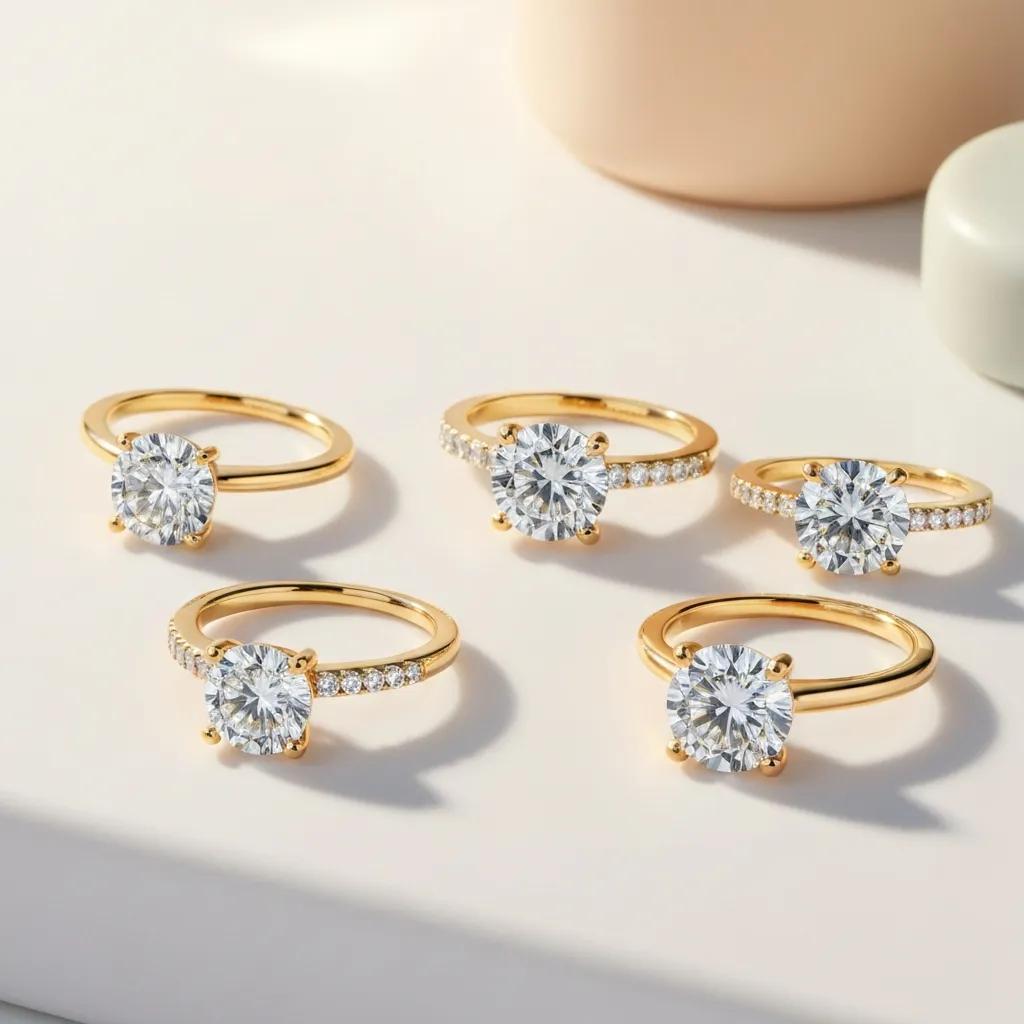
Affordable engagement rings that shine bright combine smart material choices, efficient settings, and modern financing to deliver maximum sparkle for the budget-conscious buyer. This guide explains how lab-grown diamonds, moissanite, and strategic design choices let you prioritize brilliance and durability without overspending, and it maps clear steps from selection to purchase. Many shoppers worry that lower price means lower quality; in reality, engineered gemstones and clever settings can replicate the look and longevity of costlier options while offering ethical and economic advantages. Below you'll find essential comparisons, trend-led styling ideas for 2025, practical lists for finding options under $1,000, and a hands-on look at financing choices including Shop Pay Installments and Affirm. Throughout the article we use targeted terms like affordable engagement rings online, lab-grown diamond engagement rings, moissanite engagement ring cost, and engagement rings under 1000 so you can find the right path for your priorities. Read on to learn what each gemstone offers, how to assess specs, which styles maximize perceived size, and where retailers such as Helzberg Diamonds position imported, designer handcrafted options with special savings.
What Are Lab-Grown Diamond Engagement Rings and Why Are They Affordable?
Lab-grown diamond engagement rings are chemically and optically the same as mined diamonds but produced in controlled laboratory environments, which reduces supply-chain and mining costs and therefore lowers retail price. The production mechanism — high-pressure high-temperature (HPHT) or chemical vapor deposition (CVD) — recreates the crystal structure of natural diamonds, yielding the same 4 Cs characteristics buyers use to evaluate quality; this parity explains why lab-grown diamonds deliver the same visual results at a lower price. Buyers gain the benefit of clearer certification and often more predictable pricing, which makes lab-grown options a logical choice for those who want diamond properties without mined-diamond premiums. Understanding these fundamentals leads directly into the detailed attribute comparisons and a short buyer checklist that follows.
Lab-grown versus natural diamonds: core attributes explained and compared for shoppers.
| Diamond Type | Characteristic | Typical Value |
|---|---|---|
| Lab-grown diamond | Price relative to mined | Often 30–60% less than comparable natural diamonds |
| Natural diamond | Ethical/market perception | Mined origin with variable traceability and resale dynamics |
| Both | 4 Cs applicability | Color, Cut, Clarity, Carat grading and certification apply to both |
This table highlights why lab-grown diamonds present a compelling value proposition for budget-focused buyers while retaining the grading framework familiar to consumers.
Lab-grown diamonds compare to natural diamonds in chemistry, grading, and resale expectations, and these differences shape buying decisions. Lab-grown stones are carbon-identical to mined diamonds and can receive standard grading for cut, color, clarity, and carat weight, making it straightforward to compare options online; however, resale and long-term market perception differ, so buyers should balance initial savings against potential resale value. Certification like lab reports and detailed vendor disclosures become important when shopping online to confirm the origin and grading information. After weighing certification and market differences, the next practical consideration is how lab-grown diamonds also affect ethical and environmental choice-making.
How Do Lab-Grown Diamonds Compare to Natural Diamonds?
Lab-grown diamonds match natural diamonds in chemical composition and optical properties, which means they exhibit the same brilliance and durability when cut to the same proportions. This parity allows shoppers to use standard diamond terminology — cut, color, clarity, carat — when evaluating lab-grown stones, making online comparison shopping efficient and transparent. Price differentials are typically the main factor: lab-grown diamonds can cost substantially less per carat than equivalent natural diamonds because manufacturing scales and supply dynamics remove mining overhead, which translates directly into consumer savings. Because appearance and hardness (Mohs scale) are equivalent, lab-grown diamonds suit daily-wear engagement rings equally well, provided the setting and cut prioritize durability and light performance.
What Are the Ethical and Cost Benefits of Lab-Grown Diamonds?

Lab-grown diamonds reduce reliance on mining and often produce lower environmental disturbance and clearer supply-chain traceability, which appeals to buyers prioritizing ethics and sustainability. The controlled production environment allows manufacturers and retailers to offer consistent quality at lower prices, and occasional promotions or "special savings" make high-clarity or larger carat weights more attainable for the same budget. When buying online, shoppers should check for clear certification and return policies to ensure transparency and consumer protection. These ethical and cost benefits lead naturally into how retailers present lab-grown inventory and sample product examples to illustrate real-world price points.
Lab-Grown Diamonds: Sustainable, Cost-Effective Alternatives to Mined Diamonds
Lab-grown diamonds present a sustainable alternative to deep-seated diamond mining by simulating natural conditions to produce the precious stones above ground in a span of six weeks. The emergence of lab-grown diamonds in Surat and its potential repercussions are examined in this article. The paper describes the technological process by which lab-grown diamonds are produced by simulating the underground natural diamond formation process through the application of high pressure and heat to diamond embryos in plasma reactors. This allows for up to a 30% reduction in the cost of diamond production compared to conventional mining methods.
This research highlights how lab-grown diamonds offer a more sustainable and cost-effective approach to jewelry production by simulating natural diamond formation processes, leading to significant cost reductions compared to traditional mining.
Helzberg Diamonds showcases lab-grown diamond engagement rings among its imported designer and elegantly handcrafted offerings, positioning them as accessible designer choices with periodic savings. For shoppers comparing retail examples, one listed option exemplifies how scale and designer settings affect price: a 4.5ct lab-grown emerald cut diamond ring (EF VS1, 14K white gold) paired as a ring set is offered at $4,042.48 (original price $6,063.72), illustrating substantial markdowns compared to traditional mined equivalents. This product-level context helps translate abstract percentage savings into concrete purchase scenarios and prepares buyers for checkout decisions at online retailers like Helzberg Diamonds.
Why Choose Moissanite Engagement Rings as a Dazzling Diamond Alternative?
Moissanite engagement rings offer exceptional brilliance and value because moissanite has a higher dispersion ("fire") than diamond and a durable Mohs hardness suitable for everyday wear, making it a popular diamond alternative for budget-conscious buyers who prioritize sparkle. The gemstone's optical profile produces vivid flashes of color and high perceived brilliance under many lighting conditions, which makes smaller stones appear larger and more visually impactful than equivalent diamonds in certain cuts. For buyers focused on maximum visual effect per dollar, moissanite often delivers more apparent sparkle at a much lower price point, and it pairs well with efficient settings like halo or solitaire to emphasize center-stone impact. Understanding technical differences guides practical style and care choices that follow.
Moissanite compared to diamonds across brilliance and durability is best summarized by numeric traits and practical implications for wear.
| Gemstone | Attribute | Typical Value |
|---|---|---|
| Moissanite | Refractive behavior | High dispersion; very high brilliance/fire |
| Lab-grown diamond | Hardness & durability | Equivalent to natural diamond; Mohs ~10 |
| Natural diamond | Market/resale | Highest perceived resale value historically |
This comparison clarifies where moissanite excels (brilliance per dollar) and where diamonds retain advantages (market perception and certain hardness metrics), setting up practical buying recommendations.
How Does Moissanite Compare to Diamonds in Brilliance and Durability?
Moissanite's optical properties include a higher refractive index and greater dispersion than diamond, resulting in pronounced fire and a lively face-up appearance; this makes moissanite particularly effective in cuts that maximize light return, such as round and cushion cuts. In terms of hardness, moissanite rates around 9.25 on the Mohs scale, which is excellent for daily wear but slightly less than diamond's Mohs 10; this means moissanite resists scratching but may require attentive settings for side stones and prongs. For many buyers, the higher perceived sparkle and lower price of moissanite make it preferable when visual impact is the priority, while those who value traditional market recognition may opt for lab-grown or mined diamonds. These tradeoffs inform both styling and long-term expectations when choosing a center stone.
What Are Popular Moissanite Ring Styles and Care Tips?
Styles that amplify moissanite's visual impact include solitaires with open prongs, halo settings that increase apparent size, and three-stone arrangements that add contrast and light play; vintage or ornate settings can also highlight moissanite without requiring larger center stones. Care for moissanite focuses on routine cleaning to maintain spark, typically with gentle warm soapy water and a soft brush, and periodic inspection of settings to prevent loose stones or worn prongs. When pairing wedding bands, consider low-profile bands that complement moissanite solitaires and avoid overly soft metals that might deform under daily wear. These style and care choices lead directly into practical budget strategies for finding rings under $1,000.
How Can You Find Engagement Rings Under $1000 That Still Shine Bright?
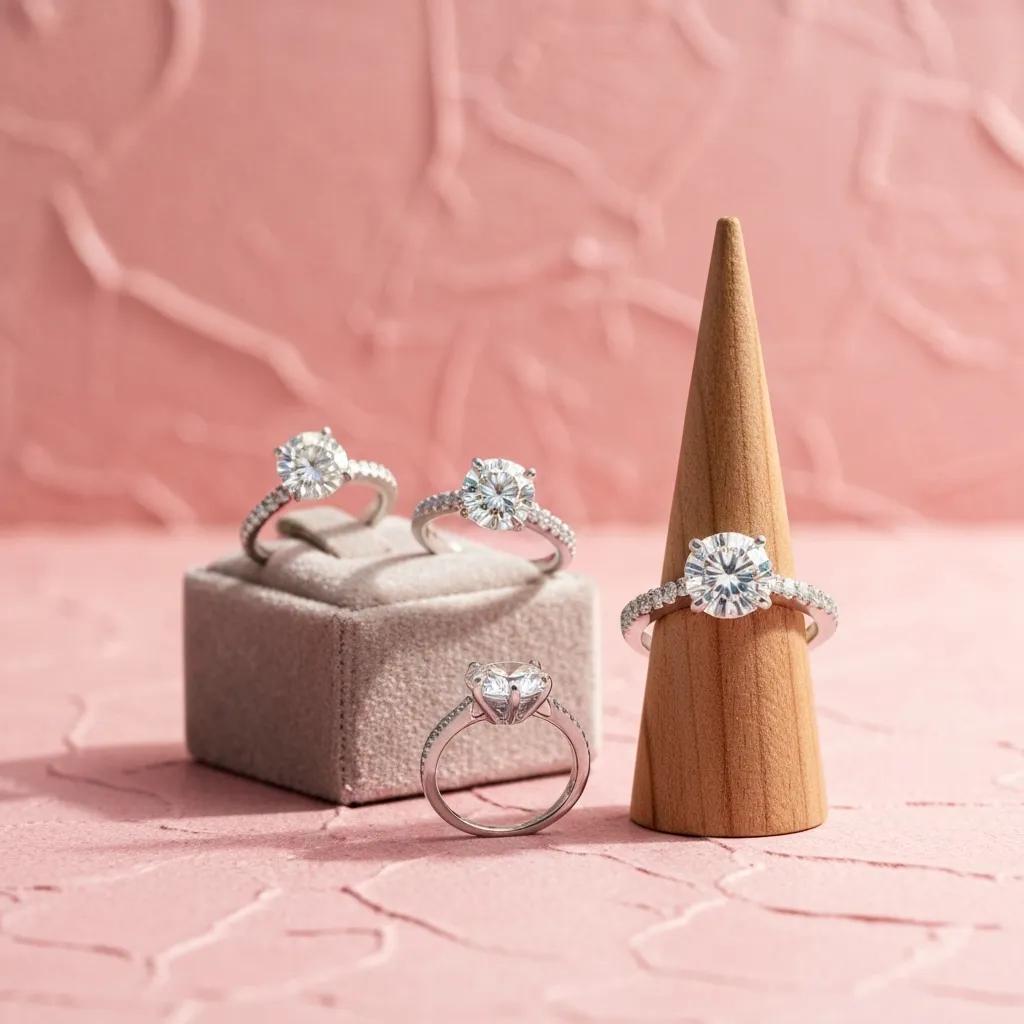
Finding engagement rings under $1,000 that still shine bright depends on selecting the right center gemstone, cut, and setting to maximize perceived size and sparkle while minimizing stone cost. Key strategies include choosing moissanite or smaller lab-grown diamonds, prioritizing cuts that spread light efficiently (oval, pear, or elongated shapes), and using settings that create optical illusions of size, such as halos or three-stone designs. Additionally, choosing alternative metals or plating and shopping during promotional periods can further lower price without compromising on finish or comfort. These approaches provide a concrete roadmap for shoppers balancing style and budget.
Below is a concise budget-focused guide to materials and recommended settings when aiming for under $1,000.
| Material/Approach | Typical Cost Range | Recommended Cuts/Settings |
|---|---|---|
| Moissanite center | $200–$800 | Round, cushion, halo settings for maximum visual size |
| Small lab-grown diamond | $300–$1,000 | Oval or pear cuts with halo or bezel settings |
| Alternative metals (e.g., lower-weight 14K) | $100–$400 | Simple solitaire or thin pavé bands to save cost |
This table helps shoppers choose combinations that balance cost and perceived size, making it easier to filter options when shopping online or in curated collections.
To convert these material strategies into actionable selection habits, consider the following practical tips for under-$1,000 shopping.
- Choose a moissanite or lower-carat lab-grown diamond as the center stone to increase apparent size for the budget.
- Pick cuts like oval, pear, or oval-elongated to maximize face-up area and perceived carat weight.
- Use halo or three-stone settings to create optical enlargement without adding expensive center stones.
These tips create a focused shopping checklist: prioritize sparkle and optical size, review setting efficiency, and confirm metal quality and return policies. The next section explains how to identify specific lab-grown and moissanite pieces that typically fit this budget band and what product details to verify.
What Are the Best Styles and Materials for Rings Under $1000?
Best-value styles under $1,000 combine high-impact visual cuts and efficient settings: oval and pear cuts maximize face-up size relative to carat weight, and halo or cluster settings amplify perceived size while allowing a smaller (and less costly) center stone. Metal choices like 14K white gold or yellow gold plated over a lower-weight base can reduce material cost while maintaining a designer look; thin pavé bands or bezel edges also add detail without large stone expenditures. When shopping online, use filters for center stone type (moissanite vs lab-grown), cut, and setting to quickly surface high-value options and always confirm return and certification details before purchase. These selection habits directly lead to identifying which specific options typically sit within your price band.
Which Lab-Grown and Moissanite Rings Fit This Budget?
Typical lab-grown and moissanite ring profiles under $1,000 include moissanite solitaires and halo-set lab-grown diamonds below one carat or with lower color/clarity grades that still deliver strong visual performance. When evaluating specific listings, scrutinize cut quality and face-up measurements, and prefer sellers who provide clear images, measurements, and grading reports. If a desired designer style exceeds the budget, financing or installment options can bridge the gap for slightly higher-value pieces, while still preserving overall affordability when monthly payments fit into a planned budget. These purchase tactics segue into financing options and how retailers present installment plans.
Consumer Preferences for Lab-Grown Diamonds Driven by Eco-Friendliness and Affordability
These results suggest that consumer preferences are more aligned with shared values and attributes of the product, like eco-friendliness and affordability, rather than demographic factors.
Research indicates that consumers are increasingly drawn to lab-grown diamonds due to their alignment with values such as eco-friendliness and affordability, rather than solely demographic considerations.
Helzberg Diamonds also curates budget-friendly collections and search filters to help shoppers find lower-priced moissanite and smaller lab-grown diamond rings; when a model sits just above your budget, Helzberg Diamonds supports payment flexibility through Shop Pay Installments integrated with Affirm to reduce upfront cost and let buyers schedule manageable monthly payments.
What Unique and Affordable Engagement Ring Styles Are Trending in 2025?
2025 brings a mix of nostalgic and modern trends that are accessible on a budget: warm-toned gold finishes, nature-inspired motifs, chunky bands with modest stones, and a resurgence of pear and elongated cuts that maximize perceived size. Designers are pairing these trends with lab-grown colored diamonds and moissanite accents to create designer-forward looks without gemstone premiums. Customization and mix-and-match metals also enable individualization at moderate cost — for example, adding small accent stones or an engraving can elevate a standard design affordably. These trend signals inform which cuts and settings to prioritize when seeking unique yet cost-effective options.
To identify cuts and settings that offer distinctive looks without large stone costs, consider these specifics.
- Pear and oval cuts for visual elongation and perceived size without larger carat.
- Halo and pavé settings to add complexity and emphasis without an expensive center stone.
- Mixed-metal styles (contrast between band and setting) to create bespoke appearance affordably.
These trending choices help buyers craft a unique ring that aligns with 2025 aesthetics while keeping costs controlled, and lead into practical personalization tactics that add perceived value.
Which Ring Cuts and Settings Offer Unique Looks on a Budget?
Cuts like pear and oval create a distinctive silhouette that reads as larger face-up area for a given carat weight, which is ideal when budget is constrained but uniqueness is desired. Settings such as asymmetric halos, milgrain detailing, or tapered three-stone layouts add designer character without major increases in center-stone cost, and materials like warm 14K gold can change the entire aesthetic at modest price difference. These combinations let buyers achieve on-trend visuals while maintaining affordability and set the stage for modest personalization options that follow.
How Are Personalization and Customization Enhancing Affordable Rings?
Personalization options that raise perceived value without large expense include engravings, small accent stones (e.g., melee diamonds or tiny colored gems), and simple metal finishes that shift the look from mass-produced to bespoke. Custom settings can cost more, but incremental customizations — such as a hand-engraved pattern or a stamped motif inside the band — are relatively low-cost ways to make a ring feel unique. Retailers that offer modular collections or simple customization tools enable shoppers to choose meaningful touches without full custom fabrication. These personalization strategies naturally lead into financing options for buyers ready to commit.
Lab-Grown Diamonds: The Future of Jewelry with Sustainable Attributes
Lab-grown diamonds are diamonds that have been processed in laboratories thanks to almost 70 years of development. To test the idea that this new alternative is a legitimate opportunity to answer the need of the current changing jewelry market, this research tried to observe the real potential of this man-made gemstone through a deep understanding of its hallmark, perception of the market and concrete sustainable solutions available. As a result, it is observed that a certain interest in finding a new alternative with the same attributes to reassure all parties.
The development of lab-grown diamonds over nearly 70 years has positioned them as a legitimate and sustainable alternative for the evolving jewelry market, offering the same attributes as natural diamonds.
Helzberg Diamonds highlights imported, elegantly handcrafted designs that allow for modest personalization while maintaining special savings; shoppers seeking simple custom touches can pair these designs with financing options discussed next.
How Can You Finance Your Affordable Engagement Ring Purchase?
Financing makes higher-quality or designer engagement rings accessible by spreading payments over months, which can be a sensible option when the monthly cost fits a planned budget. Common online installment partners let buyers select payment plans during checkout, showing sample monthly payments and terms; these options reduce upfront friction and can align a desirable designer ring or a slightly larger lab-grown stone with a realistic monthly budget. Knowing how to compare APR, payment term length, and total cost helps buyers choose financing responsibly and avoid over-extension. The next sections detail how popular installment flows work and offer budgeting tips.
Before diving into vendor-specific steps, here are standard financing options typically available to online jewelry shoppers.
- Short-term installment plans that split the purchase into equal monthly payments with or without interest.
- Longer-term financing with interest-bearing installments that reduce monthly cost at the expense of total interest paid.
- Deferred-interest promotions that require careful repayment within promotional windows to avoid back interest.
These options illustrate tradeoffs between monthly affordability and total cost, which informs how to choose the right financing plan and leads into the vendor-specific flow explanation.
What Payment Plans and Financing Options Does Helzberg Diamonds Offer?
At checkout, Helzberg Diamonds integrates Shop Pay Installments with Affirm to present flexible monthly payment plans that let buyers split the cost of a purchase into manageable payments. The typical flow shows available installment durations, estimated monthly payments, and any disclosed interest or fees before the buyer confirms; for example, a higher-priced lab-grown ring at $4,042.48 could be presented with sample monthly payment options so shoppers can see how a designer 4.5ct lab-grown emerald cut set fits their monthly budget. Using these payment tools at checkout reduces upfront expense and enables direct purchase through Helzberg Diamonds' e-commerce platform, simplifying the transition from research to owned ring.
What Are Tips for Budgeting and Choosing the Right Financing Plan?
Budgeting for a financed engagement ring means calculating the monthly payment, factoring in any interest or fees, and comparing that amount to essential monthly expenses to ensure affordability. When evaluating plans, compare the APR and total cost across durations, prefer shorter terms if the monthly payment still fits, and avoid deferred-interest offers unless you are confident you can pay within the promotional window. Also verify return and refund policies when financing purchases online, since returns can affect repayment obligations. These budgeting steps protect buyers from over-commitment and close the loop on financing decisions before checkout.
What Are the Key Differences Between Lab-Grown Diamonds and Moissanite?
Lab-grown diamonds and moissanite differ primarily in origin, optical properties, and market perception: lab-grown diamonds are true diamonds produced in labs and graded by the 4 Cs, moissanite is a different crystalline material that produces more fire and is typically much less expensive. Price is a major differentiator, with moissanite offering higher visible sparkle per dollar and lab-grown diamonds offering diamond properties and traditional diamond recognition. Durability-wise, both are suitable for everyday wear, though diamond ranks highest on the Mohs hardness scale; buyers should match gemstone choice to priorities such as resale potential, ethical sourcing, and visual effect. This high-level decision guide supports practical selection based on personal priorities.
| Option | Typical Price Tier | Visual/Durability Notes |
|---|---|---|
| Lab-grown diamond | Mid | Diamond appearance and hardness; recognized grading |
| Moissanite | Low | Greater fire and dispersion; excellent visual sparkle |
| Natural diamond | High | Highest market recognition and resale potential |
How Do Price, Appearance, and Durability Compare?
Price-wise, moissanite is generally the most affordable center-stone option for maximum visual effect, lab-grown diamonds occupy a mid-tier with true diamond characteristics at reduced cost, and natural diamonds command premium pricing and resale recognition. Appearance tradeoffs center on sparkle type: moissanite emphasizes fire and vivid flashes, while diamonds (including lab-grown) emphasize balanced brilliance and scintillation; durability is highest in diamonds but moissanite remains sufficiently hard for everyday wear. Knowing these attribute differences lets buyers map their finance, ethical, and resale priorities to a clear gemstone choice.
Which Gemstone Is Best for Your Engagement Ring Needs?
Choose moissanite if your priority is maximum sparkle per dollar and immediate visual impact, and choose lab-grown diamond if you want diamond chemistry, grading, and a closer alignment with traditional diamond perception at reduced cost. Consider natural diamonds if resale value and long-established market recognition are highest priorities and budget permits. Whatever the choice, confirm cut quality, setting security, and seller transparency before purchase — then decide whether modest financing or personalization will help deliver the exact style you want within budget.
0 comments